

1. What Is Coronary Artery Disease, and Why Prevent It?
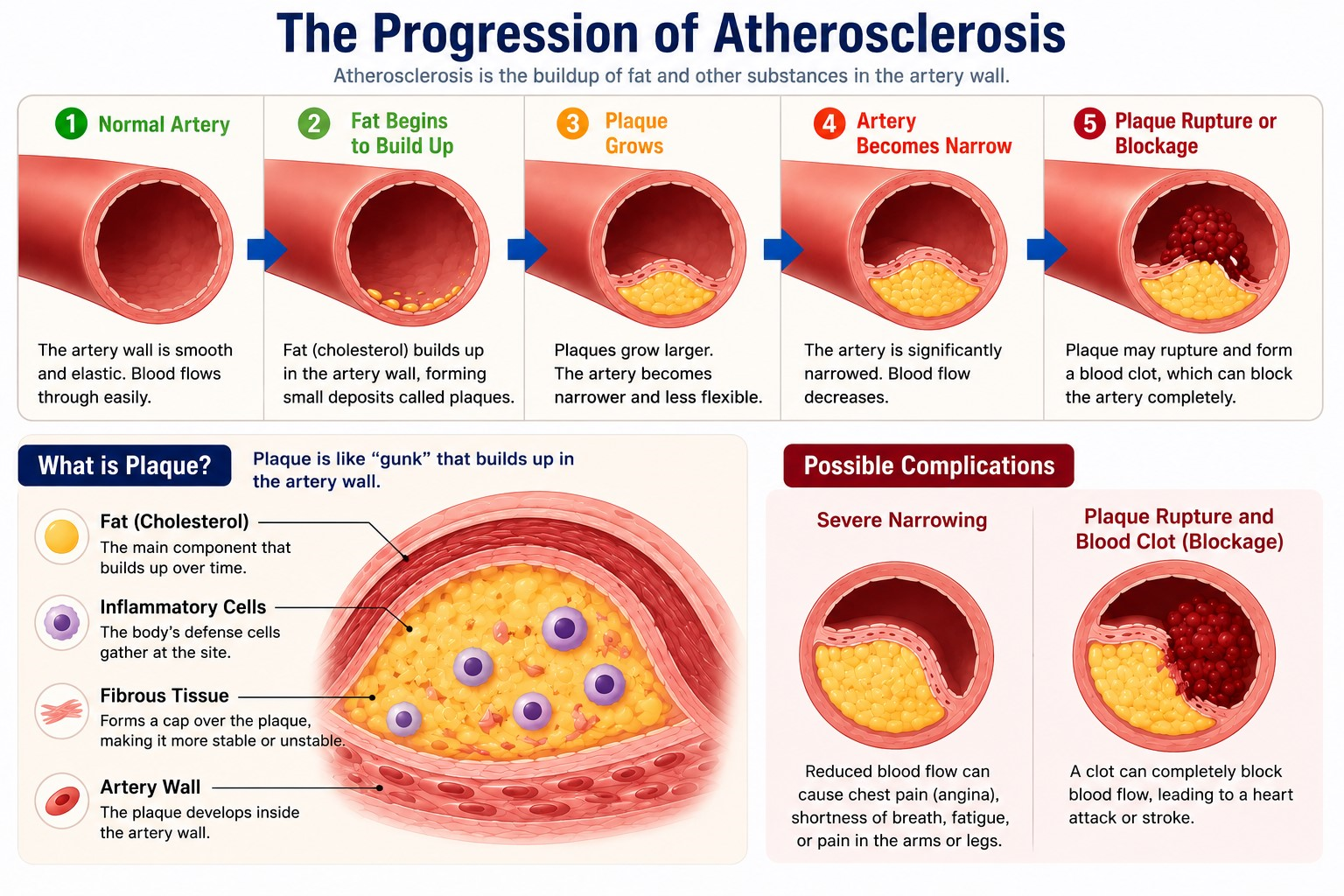
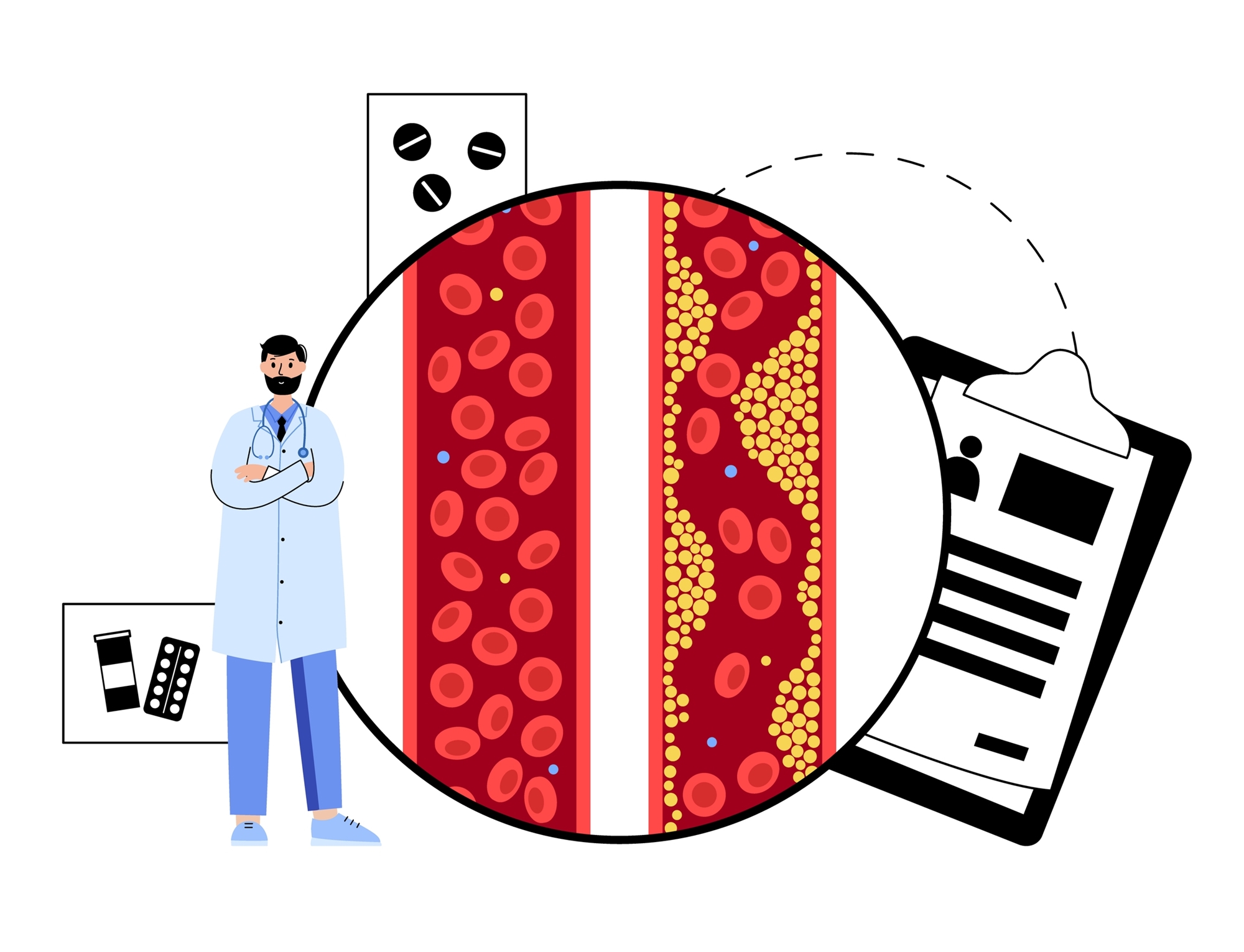
Coronary artery disease (CAD) develops when the arteries that supply blood to the heart muscle become progressively narrowed by cholesterol plaques, inflammatory cells, and calcium deposits. This leads to reduced blood flow and an oxygen-starved heart. If a plaque ruptures, it can trigger an acute myocardial infarction—a heart attack—and even sudden cardiac death. CAD is one form of atherosclerotic cardiovascular disease (ASCVD) and consistently ranks among the top causes of death in Taiwan.
The good news is that most cases of CAD are preventable. High blood pressure, diabetes, smoking, obesity, metabolic syndrome, chronic kidney disease, and chronic stress are all modifiable risk factors that respond well to lifestyle changes and, when needed, medication. Prevention is always more effective—and more rewarding—than treatment after disease develops.
2. The Core Slogan: 2H2L
The Taiwan Society of Cardiology (referred to below as “the Society”) has created an easy-to-remember slogan: “2H2L”—Healthy Diet and Healthy Lifestyles to Help Your Life and Save Your Lives. The two H’s stand for Healthy Diet and Healthy Lifestyles, while the two L’s remind us that good habits help us live better and live longer.
3. Five Key Modifiable Risk Factors
The Society proposes a comprehensive mnemonic—“ABC₂D₂EFG-I’M₂ACE”—covering 13 modifiable risk factors. For the general public, please focus first on these five most important targets:
- Blood pressure: Target < 130/80 mmHg. Use the “7-2-2” method for home monitoring: 7 consecutive days, 2 times a day (once each in the morning and evening), and 2 readings per session (one minute apart, then averaged).
- Cholesterol: For primary prevention (no known CAD or other atherosclerotic disease), low-density lipoprotein cholesterol (LDL-C) targets are stratified by risk: < 100 mg/dL for high risk, < 115 mg/dL for moderate risk, and < 130 mg/dL for low risk. For secondary prevention (established CAD or other atherosclerotic disease), the targets are < 70 mg/dL for very-high-risk and < 55 mg/dL for extremely-high-risk patients. For full details, please see our companion brochure, “A Complete Guide to Cholesterol Management.”
- Cigarette cessation: Quit completely and stay quit. Secondhand smoke is equally harmful—keep your home entirely smoke-free.
- Diabetes: Aim for hemoglobin A1c (HbA1c) < 7.0%. Those at high risk should undergo regular fasting glucose screening.
- Adiposity (body weight): If you are overweight or obese, set an initial goal of 5–10% weight loss. Losing 0.5–1.0 kg per week is the safest, most sustainable pace.
4. Eat Smart: A Balanced Mix from the Six Food Groups
Three eating patterns have strong evidence for cardiovascular benefit: the Mediterranean Diet (MeDiet), the Dietary Approaches to Stop Hypertension (DASH) diet, and a localized version called the Healthy Taiwanese Eating Approaches (TEA). Their shared principles are:
- Eat more: vegetables, fruit, whole grains, nuts and seeds, legumes, fish, and seafood.
- Eat less: red meat, processed meats, deep-fried foods, sugar-sweetened beverages, and high-sodium processed foods.
- Keep daily sodium intake below 2,400 mg (about 6 g of table salt). Steam, boil, or bake instead of deep-frying.
Follow Taiwan’s Ministry of Health and Welfare “Daily Food Guide” to balance the six food groups—whole grains, protein foods (legumes, fish, eggs, lean meat), vegetables, fruit, dairy, and oils/nuts/seeds—and adjust portions to your own caloric needs. Moderate consumption of unsweetened tea or black coffee is associated with lower cardiovascular risk, but avoid added sugar and creamer.

5. Get Moving: A 150-Minute Weekly Prescription for Your Heart
Regular physical activity lowers blood pressure, improves blood sugar and blood lipids, supports weight control, and benefits mental health. Adults are encouraged to accumulate at least 150 minutes per week of moderate-intensity aerobic exercise (such as brisk walking, swimming, or cycling) or 75 minutes per week of vigorous aerobic exercise (such as jogging, jumping rope, or hiking), plus muscle-strengthening activities on at least 2 days per week. Try to break up prolonged sitting—stand up and move for a few minutes every 30 to 60 minutes. Your heart rewards even these small breaks.
6. Sleep Well, Stay Calm: The Underrated Heart Care
“Easy Life”—the final E in the slogan—reminds us to sleep well and avoid letting stress accumulate. Aim for about 7 hours of sleep each night, and seek medical evaluation if you suspect obstructive sleep apnea. Chronic anxiety, depression, and socioeconomic stress all raise cardiovascular risk; reaching out to family, friends, or a mental health professional when needed is a meaningful part of caring for your heart.
7. Action Plan: Give Your Heart a Gift, Starting Today
Preventing CAD is not an unreachable goal. The key is the steady accumulation of small daily choices—taking a few extra steps, skipping a sugary drink, checking your blood pressure, keeping your follow-up appointments. Adults aged 30 and older are encouraged to participate regularly in adult preventive health services and cardiovascular risk assessment. If you have high blood pressure, diabetes, dyslipidemia, a family history of premature heart disease, smoking, or obesity, talk with a cardiologist to design a prevention strategy tailored to you.
 開關
開關
 首頁
首頁
 Facebook
 Instagram
 體系醫院
體系醫院
 中國醫點通
中國醫點通