
 Switch
 Homepage
 facebook
 IG
IG
 Other Hospital
 CMUH App

What is Uterine Myoma?
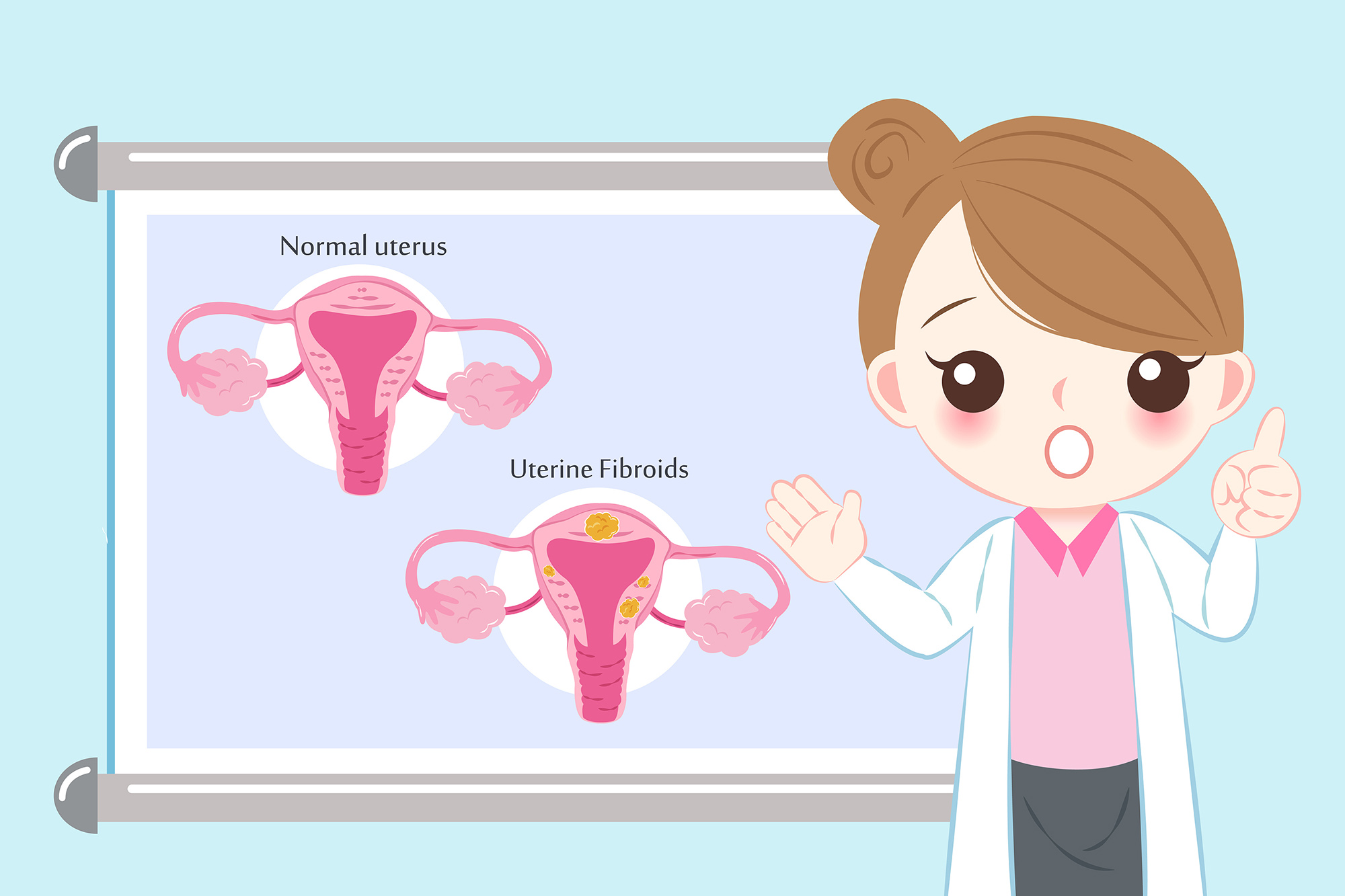
Uterine myoma, also called fibroid, is a common benign uterine tumor affecting more than 30% of women in their lifetime.
Types of Uterine Myoma
Uterine myomas can be classified into three types based on their anatomical location:
- Subserosal myoma: grows toward the pelvic or abdominal cavity. Because of the available space, it can become larger than other types.
- Intramural myoma: the most common type of myoma, located within the uterine wall.
- Submucosal myoma: grows from the sub-endometrial layer into the uterine cavity, often causing heavy menstrual bleeding.
Cause of Uterine Myoma
The cause of uterine myoma is not fully understood. It is believed to be related to hormones, as myomas tend to grow larger during pregnancy and gradually shrink after menopause.
Symptoms of Uterine Myoma
- Menstrual cramps or chronic pelvic pain.
- Menorrhagia with prolonged menstrual periods, which may lead to anemia.
- Compressional symptoms: when a myoma grows large enough to compress the bladder, it may cause bladder dysfunction such as increased urinary frequency and stress urinary incontinence; compression of the rectum may result in difficulty with defecation.
- Sometimes there are no obvious symptoms, and patients may be unaware of the condition even when the myoma is as large as a 4–5 month pregnancy.
- During pregnancy, myomas may grow rapidly and cause pain or complications such as fetal malpresentation, dystocia, or postpartum hemorrhage.
Diagnosis of Uterine Myoma
- Pelvic examination
- Abdominal or transvaginal ultrasonography
- Hysteroscopy
Treatment
- The following conditions indicate the necessity of an operation:
- Dysmenorrhea and menorrhagia
- Tumor has grown so big and compressed bladder and large intestine
- The myoma size is as large as the uterus at 12th gestational weeks
- Tumor itself grows too rapidly
- Myoma pedicle torsion is suspected
- Infertility caused by obstruction due to compression of submucosal or intramural type myoma proximal to fallopian tube
The Operation Method
- If patients wish to preserve fertility, myomectomy is recommended. This procedure removes only the myoma from the uterine wall, and regular follow-up is required to monitor for recurrence.
- For patients who do not wish to have future pregnancies, hysterectomy is an effective treatment to prevent recurrence of myoma. It can be performed via the abdominal, vaginal, or laparoscopic approach.
- High Intensity Focused Ultrasound (HIFU): A non-invasive treatment modality that uses focused ultrasound energy to induce coagulative necrosis of myoma tissue.
 Facebook
 IG
IG
 YouTube