
 Switch
 Homepage
 facebook
 IG
 Other Hospital
 CMUH App
Endocrinology | Our Speciality
Our Speciality
Personalized Diabetes Care Through Integrated Diabetes Technologies
Overview
Our department integrates insulin pump therapy, automated insulin delivery (AID) systems, and continuous glucose monitoring (CGM) to provide personalized diabetes care. Our multidisciplinary team assesses each patient’s needs and suitability for these technologies, develops individualized treatment strategies, and supports long-term diabetes management.
Specialized Services
Our department provides comprehensive assessment, treatment, and follow-up care for patients using insulin pumps, continuous glucose monitoring (CGM), and automated insulin delivery (AID) systems.
Our team evaluates appropriate diabetes technologies and develops personalized treatment plans based on diabetes type, glycemic management needs, and individual clinical conditions. Comprehensive care includes glucose trend analysis, insulin dose adjustment, and individualized diabetes education.
Endocrinologists and certified diabetes educators work together to provide device training, treatment optimization, and regular follow-up, helping patients manage their diabetes effectively.
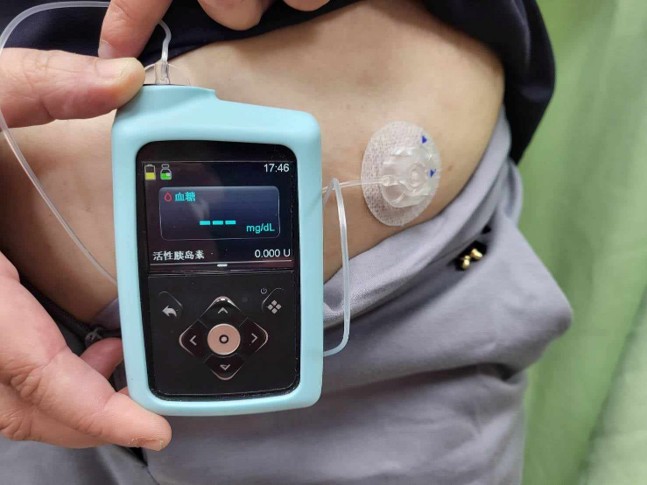
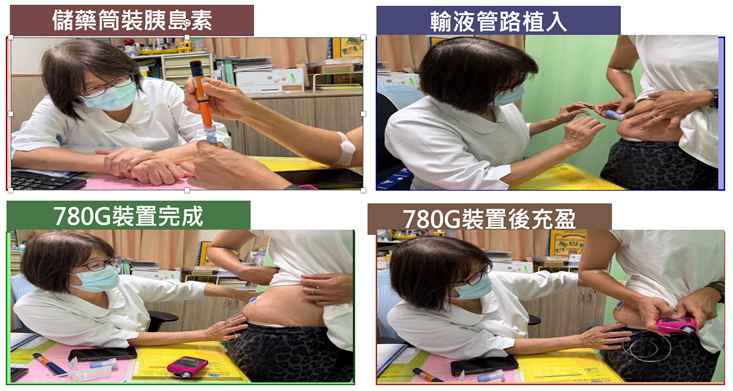
Individualized Assessment and Treatment
Insulin Pump Therapy
Assessment: Evaluate suitability for insulin pump therapy based on diabetes type, glycemic management needs, and clinical conditions.
Support: Provide device operation training and insulin dose adjustment.
Glucose Trend Analysis
Continuous Glucose Monitoring (CGM)
Technology: Use CGM to monitor glucose trends and guide treatment adjustments.
Care: Integrate glucose data analysis with individualized diabetes education.
Integrated Diabetes Technology
Automated Insulin Delivery (AID)
System Assessment: Assess whether AID systems are appropriate for individual patients.
Follow-up Care: Provide ongoing treatment adjustments and follow-up through collaborative care by endocrinologists and diabetes educators.
Clinical Service Volume
Quality Accreditation
Diabetes Care Quality Accreditation
Our department first obtained certification under the Disease Specific Care - Diabetes Mellitus (DSC-DM) certification program administered by the Joint Commission of Taiwan (JCT) in 2022 and successfully obtained recertification in 2025.
Precision Diagnosis and Molecular Testing for Thyroid Nodules
Overview
Our department integrates thyroid ultrasonography, artificial intelligence (AI)-assisted image analysis, fine-needle aspiration (FNA), and molecular genetic testing to provide comprehensive thyroid nodule risk assessment and personalized management recommendations based on imaging, cytological, and molecular findings.
Specialized Services
Our department combines thyroid ultrasonography with the AmCad AI-assisted diagnostic system to analyze thyroid nodule characteristics. Ultrasound-guided fine-needle aspiration (FNA) is performed when clinically indicated.
For nodules with indeterminate cytology (Bethesda III or IV), multigene molecular testing may be considered when clinically appropriate.
By integrating ultrasound findings, cytological results, molecular testing, and each patient’s clinical condition and preferences, our specialists provide individualized follow-up plans, surgical evaluation, and treatment recommendations.
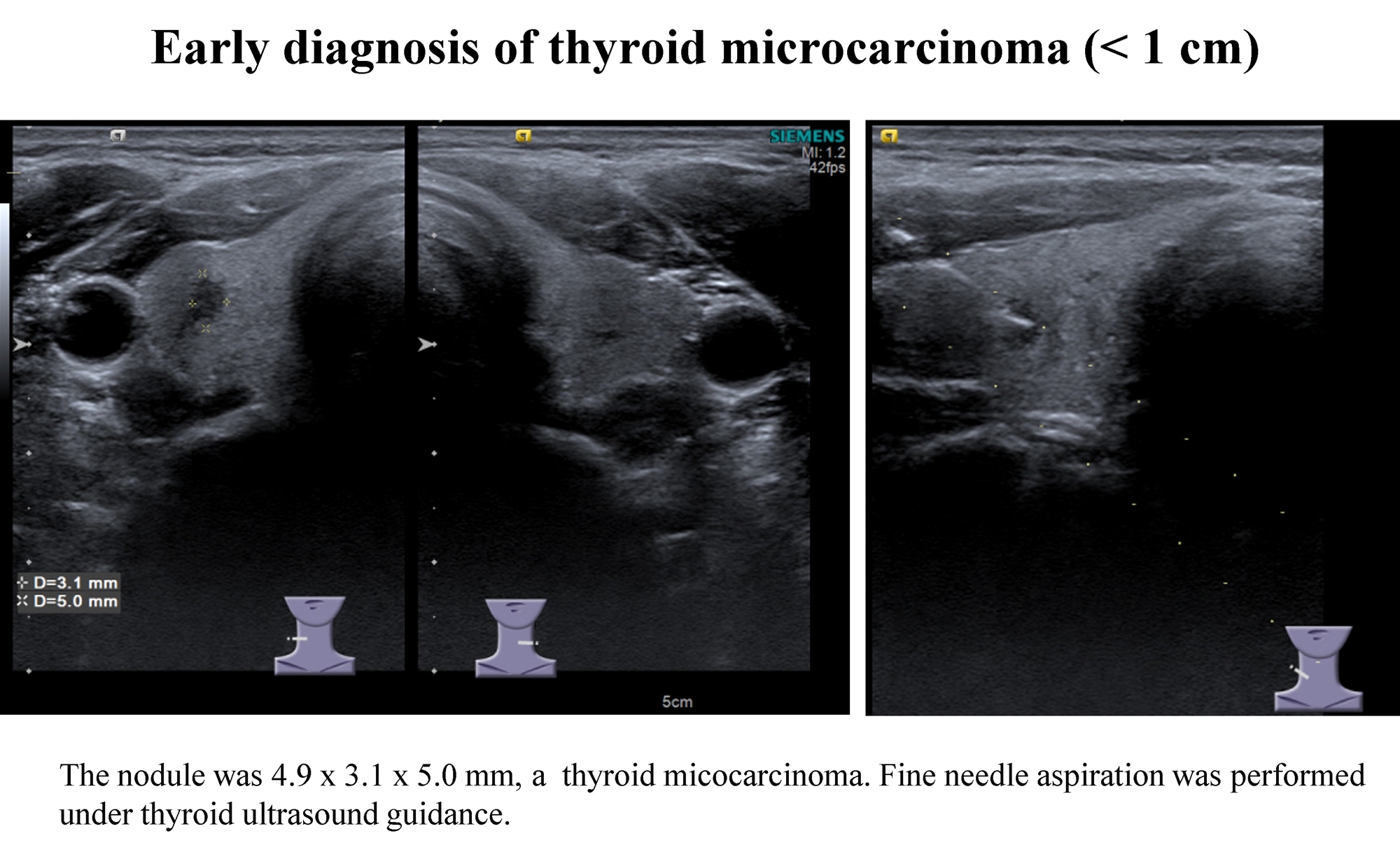

Imaging Assessment
Thyroid Ultrasonography and AI-Assisted Analysis
Technology: Thyroid ultrasonography integrated with the AmCad AI-assisted diagnostic system.
Application: Analyze ultrasound features to help assess the risk of malignancy in thyroid nodules.
Cytological Assessment
Ultrasound-Guided Fine-Needle Aspiration
Procedure: Ultrasound-guided FNA cytology is performed when clinically indicated.
Integration: Ultrasound findings and cytological results are evaluated together to guide further clinical management.
Indeterminate Thyroid Nodules
Molecular Genetic Testing
Candidates: Molecular testing may be considered for thyroid nodules with indeterminate cytology (Bethesda categories III and IV), depending on individual clinical circumstances.
Application: Molecular testing provides additional information for risk assessment and treatment decisions, alongside clinical findings and patient preferences.
Clinical Service Volume
Radiofrequency Ablation and Percutaneous Ethanol Injection for Thyroid Nodules
Overview
Our department provides minimally invasive treatment options for thyroid nodules, including ultrasound-guided radiofrequency ablation (RFA) and percutaneous ethanol injection (PEI). Our specialists assess treatment options based on nodule characteristics, malignancy risk, and associated symptoms. Following treatment, changes in nodule volume and symptoms are monitored.
Specialized Services
Our department offers ultrasound-guided radiofrequency ablation (RFA) and percutaneous ethanol injection (PEI) for selected thyroid nodules.
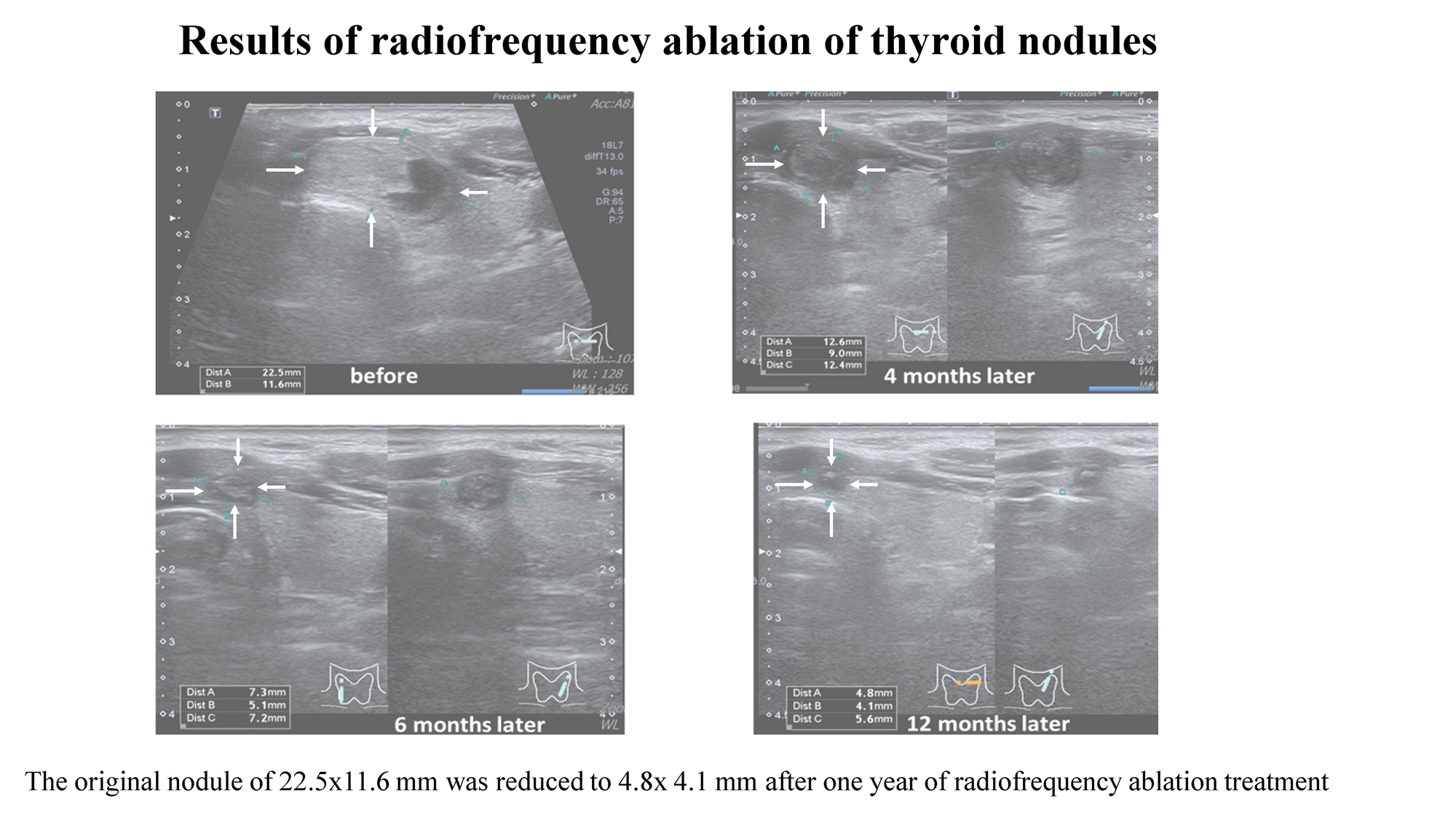
RFA uses thermal energy to gradually reduce thyroid nodule volume and may be considered for benign solid thyroid nodules after appropriate clinical evaluation. PEI induces coagulative necrosis and fibrosis of the cyst wall and is used to treat benign thyroid cysts or predominantly cystic nodules.
Before treatment, our specialists evaluate patients based on ultrasound findings, cytological results, and clinical symptoms to determine whether RFA or PEI is appropriate. After treatment, we monitor changes in nodule volume and symptoms as part of ongoing follow-up care. These minimally invasive procedures offer individualized treatment options while preserving thyroid tissue.
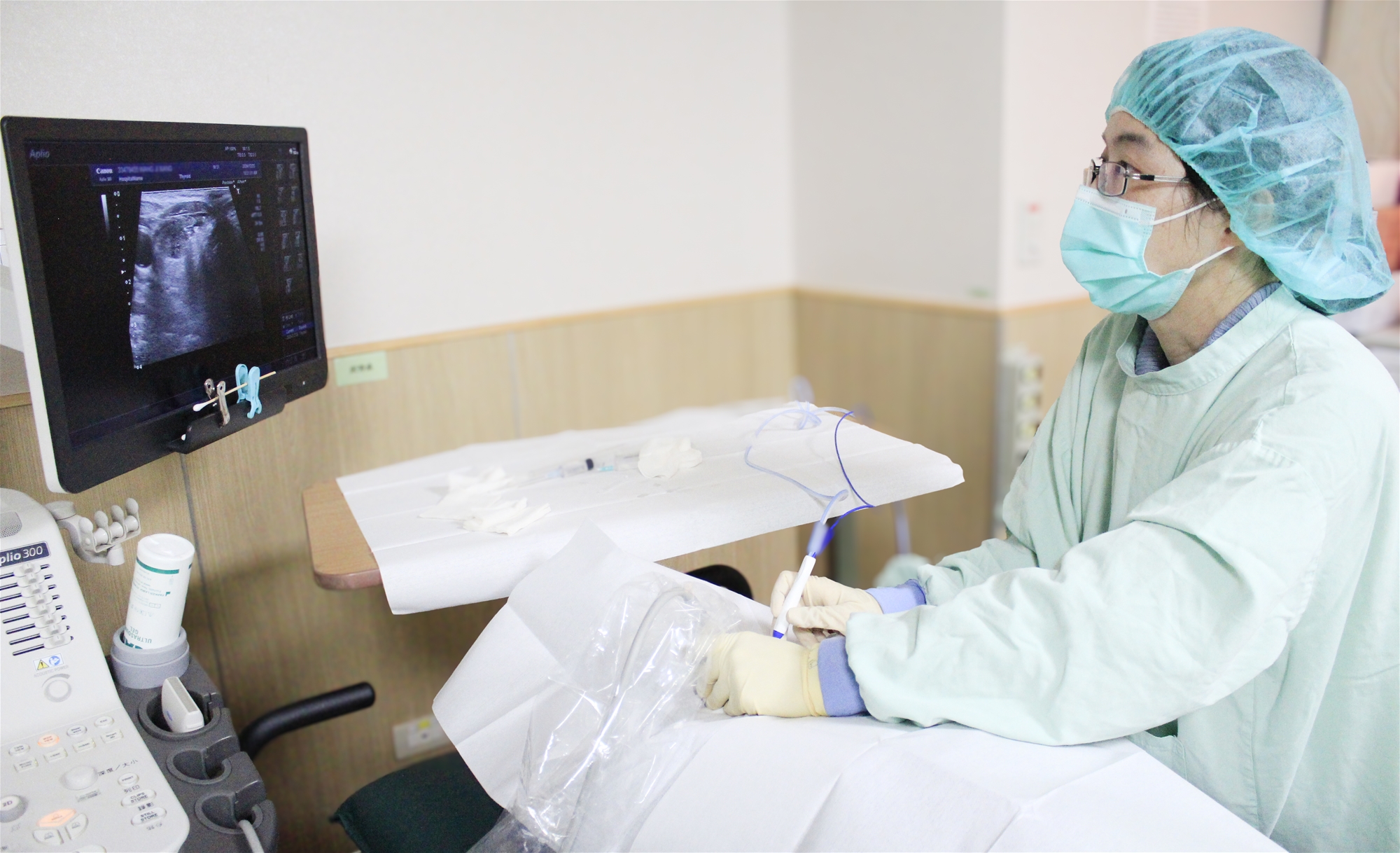
Benign Solid Thyroid Nodules
Radiofrequency Ablation (RFA)
Technique: Radiofrequency ablation uses an electrode to deliver thermal energy to the thyroid nodule under ultrasound guidance, resulting in gradual nodule shrinkage.
Assessment: RFA may be considered for patients with benign solid thyroid nodules after appropriate clinical evaluation.
Benign Thyroid Cysts
Percutaneous Ethanol Injection (PEI)
Technique: Ethanol induces coagulative necrosis and fibrosis of the cyst wall.
Assessment: PEI may be considered for benign thyroid cysts or predominantly cystic thyroid nodules.
Clinical Service Volume
Precision Evaluation and Multidisciplinary Care for Primary Aldosteronism
Overview
Our department provides comprehensive evaluation for primary aldosteronism through aldosterone and renin testing, confirmatory testing, adrenal imaging, and assessment for adrenal venous sampling (AVS) when indicated. Through multidisciplinary collaboration, individualized medical or surgical treatment recommendations are provided based on disease subtype and each patient’s clinical condition.
Specialized Services
Our department provides comprehensive evaluation and management for patients with suspected primary aldosteronism.
Initial screening involves aldosterone and renin testing, followed by confirmatory testing and adrenal imaging when indicated. For patients being considered for surgery, our specialists determine whether adrenal venous sampling (AVS) is indicated to help establish the laterality of aldosterone excess.
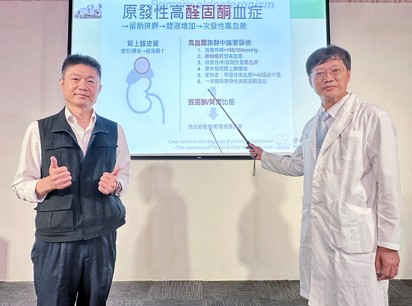
Our endocrinologists collaborate with radiologists and urologists to provide individualized treatment recommendations, including mineralocorticoid receptor antagonists (MRAs) or adrenalectomy, based on disease subtype, overall health status, and patient preferences.
Long-term follow-up includes monitoring blood pressure, serum potassium levels, and kidney function.
Screening and Diagnosis
Hormonal Testing and Adrenal Imaging
Testing: Aldosterone and renin measurements, with confirmatory testing and adrenal imaging performed when indicated.
Patient Selection: Our specialists determine the need for primary aldosteronism screening based on hypertension and other relevant clinical findings.
Subtype Classification and Treatment Decision-Making
Adrenal Venous Sampling (AVS)
Assessment: Determine whether adrenal venous sampling (AVS) is indicated in patients being considered for surgery.
Application: Help determine the laterality of aldosterone excess to guide treatment decisions.
Multidisciplinary Collaboration
Individualized Treatment and Follow-up
Integrated Care: Collaborate with radiologists and urologists to provide medical or surgical treatment recommendations.
Follow-up: Monitor blood pressure, serum potassium levels, and kidney function according to disease subtype and clinical condition.
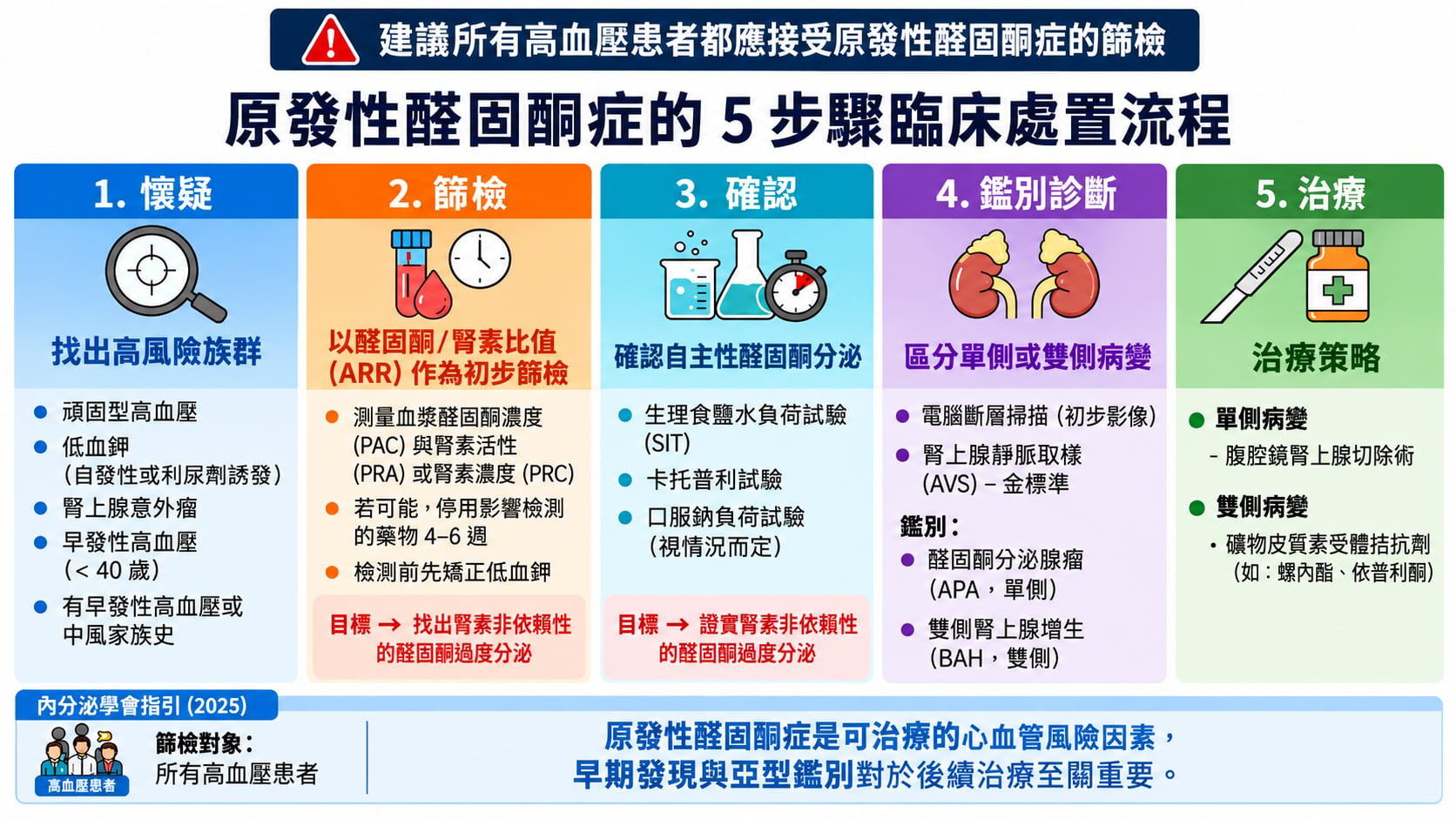
Primary Aldosteronism | Five-Step Clinical Management Pathway
Actual diagnostic and treatment decisions depend on each patient’s clinical condition and multidisciplinary assessment. Not all patients require AVS or surgery.
Clinical Service Volume
Medical Team and Patient Access
Our endocrinologists provide comprehensive clinical assessment, individualized treatment planning, and long-term follow-up care.
For diabetes technology management, our endocrinologists collaborate with diabetes educators to provide device training, glucose data interpretation, and treatment adjustments.
For primary aldosteronism, our department works closely with radiologists and urologists to provide subtype evaluation and treatment recommendations.
Patients seeking diabetes technology management or evaluation and treatment of thyroid nodules may schedule an appointment at our endocrinology outpatient clinic.
Patients with hypertension accompanied by hypokalemia, resistant hypertension, or adrenal incidentalomas may also seek evaluation at our department.
Our specialists will assess each patient's clinical condition and recommend appropriate diagnostic examinations and treatment options.
Division of Endocrinology and Metabolism → Outpatient schedule → Facebook
 IG
 YouTube