
 Switch
 Homepage
 facebook
 IG
IG
 Other Hospital
 CMUH App
Electronic Functionalities
HiThings Tele-ICU: Revolutionizing Critical Care with AIoT Technology
Intensive Care Units (ICUs) are among the most high-pressure environments in healthcare, where clinicians face complex patient conditions, fragmented data, and burnout rates approaching 40%. To address these challenges, China Medical University Hospital (CMUH) developed HiThings Tele-ICU, an AIoT-powered critical care platform designed to improve patient outcomes while reducing caregiver burden.
At its core, HiThings Tele-ICU processes real-time data from up to 60,000 connected medical devices, seamlessly integrating electronic medical records, imaging, prescriptions, and treatment plans. The system also supports secure long-term data storage for up to 10 years. Through digital twin technology and 3D human models, HiThings Tele-ICU provides dynamic physiological insights that support faster and more precise clinical decision-making.
The platform’s AI-driven predictive tools assist clinicians in the diagnosis and management of ARDS, sepsis, myocardial infarction, ischemic stroke, nutrition planning, and other critical conditions, enabling earlier intervention when needed. In addition, high-definition video systems support remote consultations, while mobile access allows clinicians to monitor patient data in real time, even when they are off-site.
From 2024 to 2025, HiThings Tele-ICU delivered measurable clinical and operational improvements, including a 2.4% reduction in ICU mortality, a 22.9% decrease in ARDS mortality, and a 40% reduction in 30-day mortality among patients with MDRO infections. Operational efficiencies were also significant, with a 41.8% reduction in data retrieval time, a 72.4% reduction in nurses’ shift handover time, and a 66.6% reduction in dietitians’ assessment time, allowing healthcare professionals to devote more time to direct patient care.
HiThings Tele-ICU has now been deployed across seven ICU units, including medical, respiratory, cardiac, surgical, neurosurgical, pediatric, and neonatal ICUs. Its successful implementation demonstrates a scalable and adaptable model for AIoT-driven transformation in critical care.
.jpg)
Journal Article
- C.-H. Chen; et al. The implementation of the Infection Control Map—an integrated, visual online information system—enhanced infection control practices and reduced the incidence of multidrug-resistant organisms in a medical intensive care unit. Journal of Microbiology, Immunology and Infection. Feb. 2026.
- H.-Y. Tseng; et al. An AIoT enabled system for optimizing data retrieval in the intensive care unit evaluated in a randomized crossover pilot trial. Scientific Reports. Oct. 2025.
- W.-S. Feng; et al. Design and Implementation of an Intensive Care Unit Command Center for Medical Data Fusion, Sensors. Sensors 2024, 24, 3929.
- W.-C. Wang; et al. Automated delineation of acute ischemic stroke lesions on non-contrast CT using 3D deep learning: A promising step towards efficient diagnosis and treatment. Biomedical Signal Processing and Control. Volume 93, July 2024.
- J. Yu; et al. Rapid Identification of Methicillin-Resistant Staphylococcus aureus Using MALDI-TOF MS and Machine Learning from over 20,000 Clinical Isolates. Microbiol Spectr . 2022 Apr 27;10(2):e0048322.
- L.-C. Ho; et al. Impact of the implementation of the Intelligent Antimicrobial System (iAMS) on clinical outcomes among patients with bacteremia caused by methicillin-resistant Staphylococcus aureus. International Journal of Antimicrobial Agents 63 (2024) 107142.
- K.-W. Chen; et al. Artificial intelligence-assisted remote detection of ST-elevation myocardial infarction using a mini-12-lead electrocardiogram device in prehospital ambulance care. Frontiers in Cardiovascular Medicine, Oct 14, 2022.
- Y.-C. Wang; et al. Implementation of an All-Day Artificial Intelligence Based Triage System to Accelerate Door-to-Balloon Times. Mayo Clin Proc. December 2022;97(12):2291-2303.
- H.-Y. Tseng; et al. Using real-time visualization system for data-driven decision support to achieve lung protective strategy: a retrospective observational study. Critical Care (2022) 26:253.
Awards
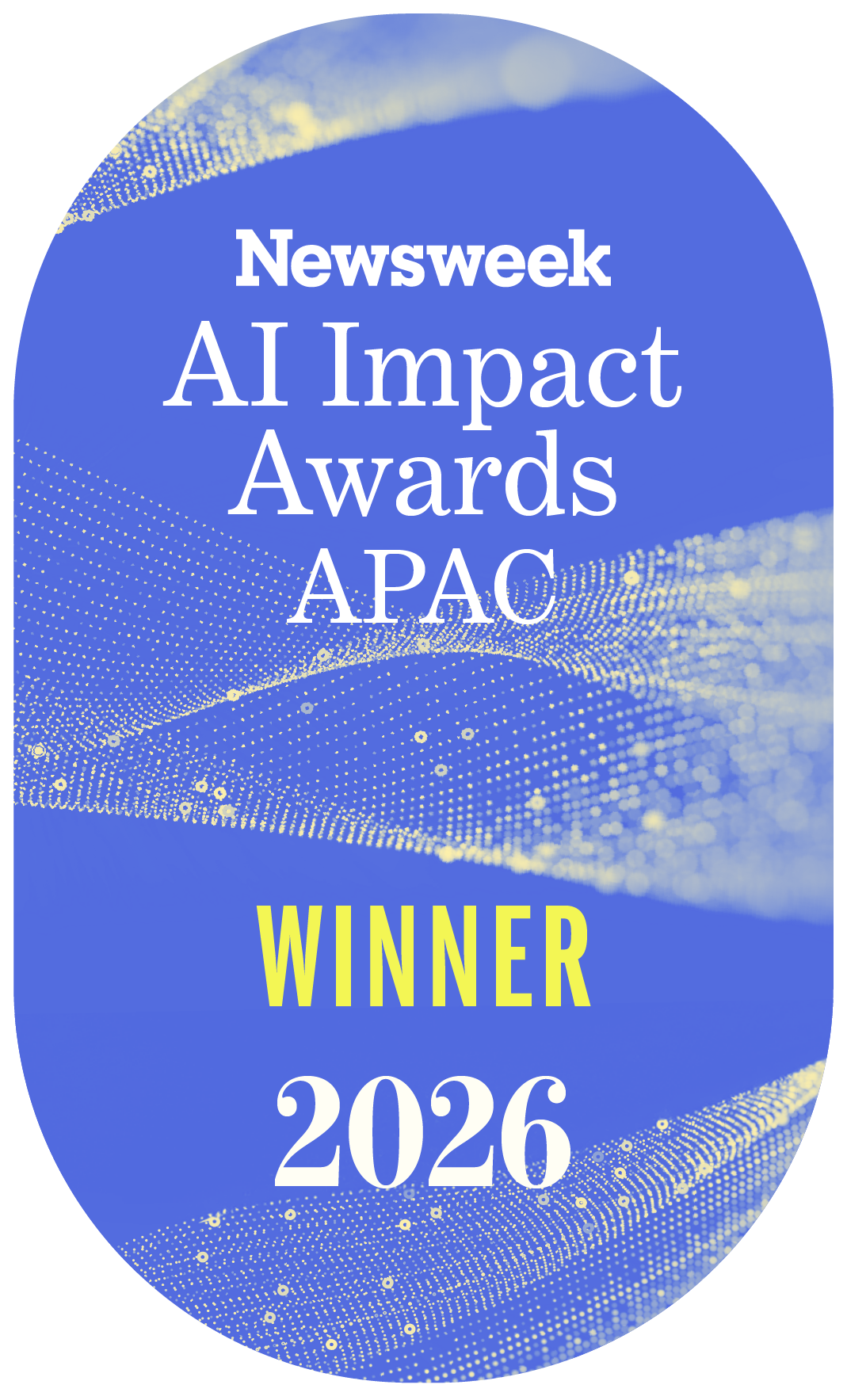
- Newsweek AI Impact Awards APAC in Patient Care, Best Outcome, USA
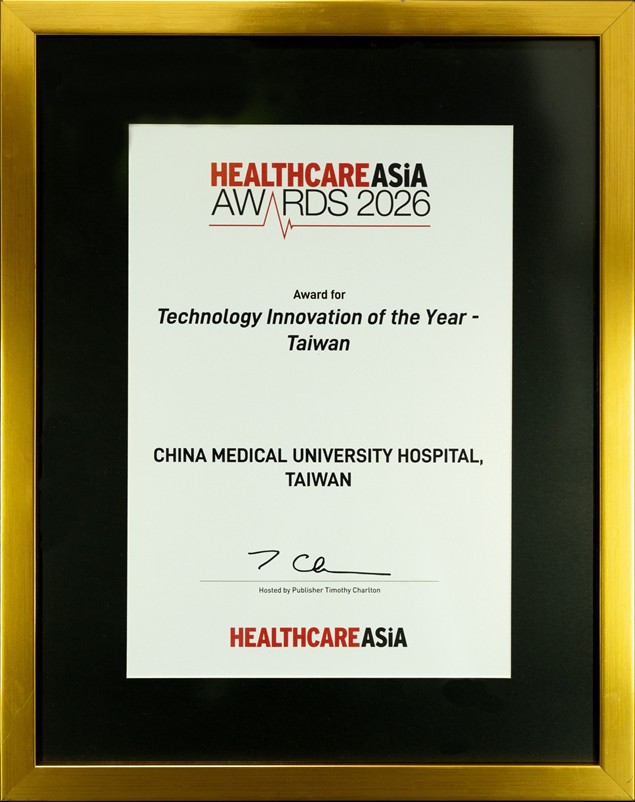
- Technology Innovation of the Year, Healthcare Asia Awards, Singapore
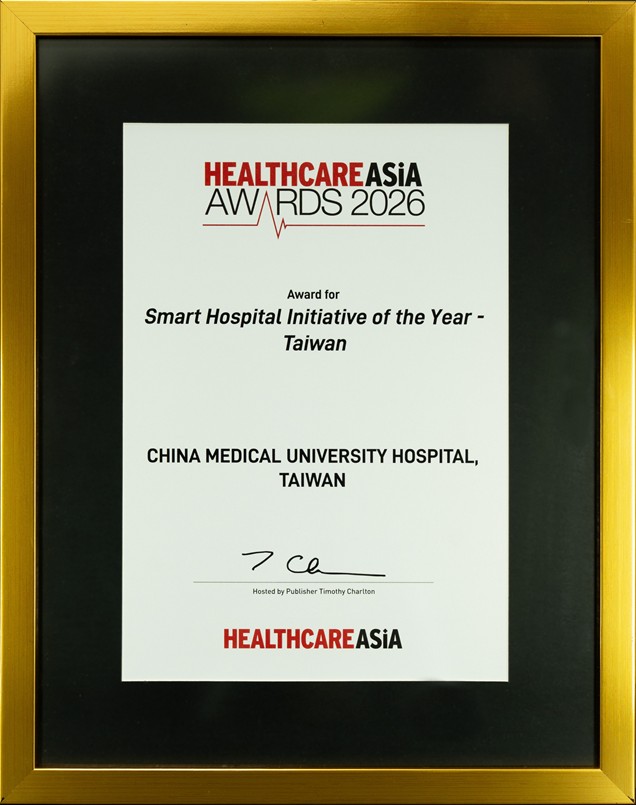
- Smart Hospital Initiate of the Year, Healthcare Asia Awards, Singapore
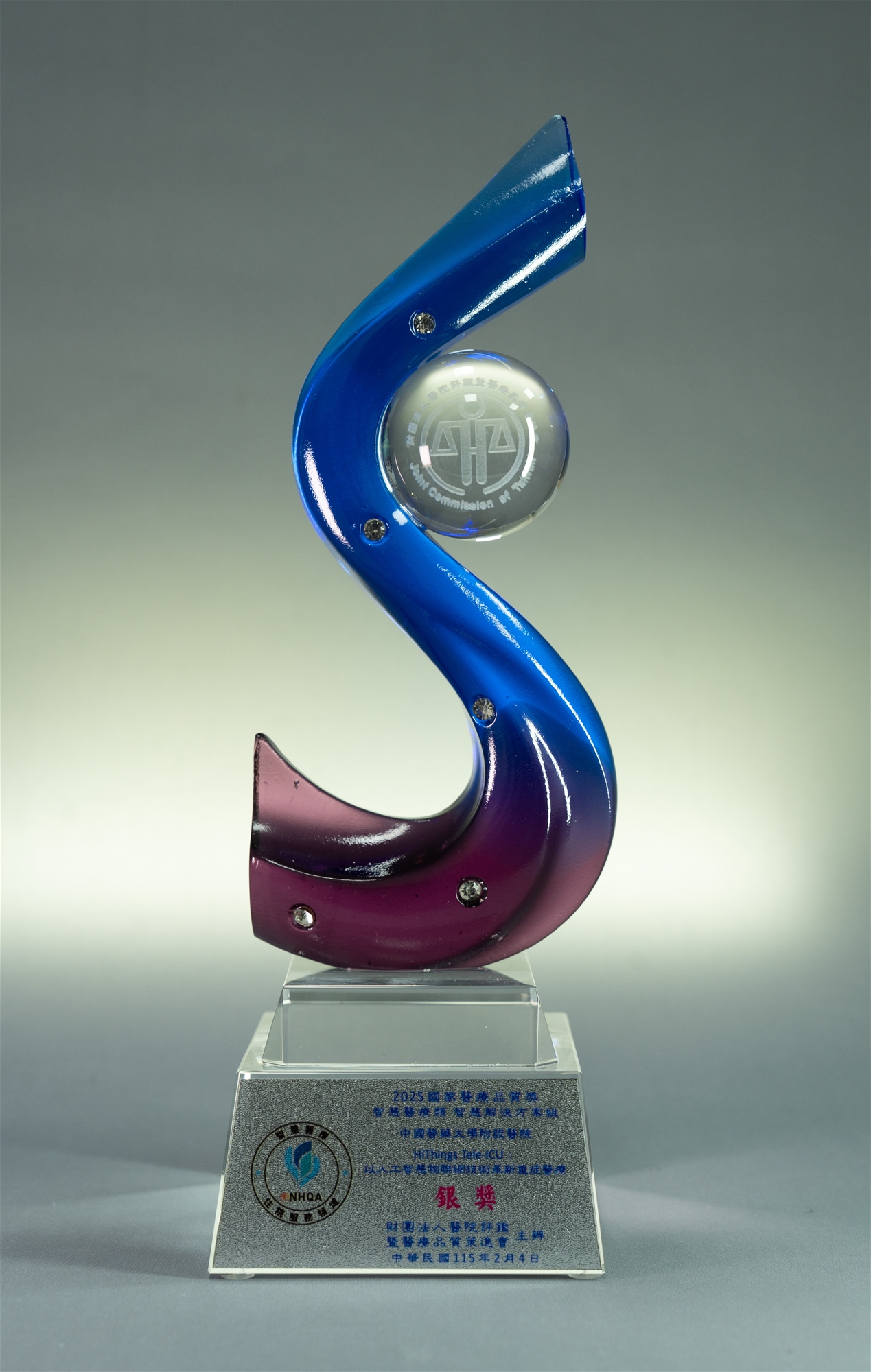
- National Healthcare Quality Award (NHQA) Silver Award in Smart Healthcare, Taiwan
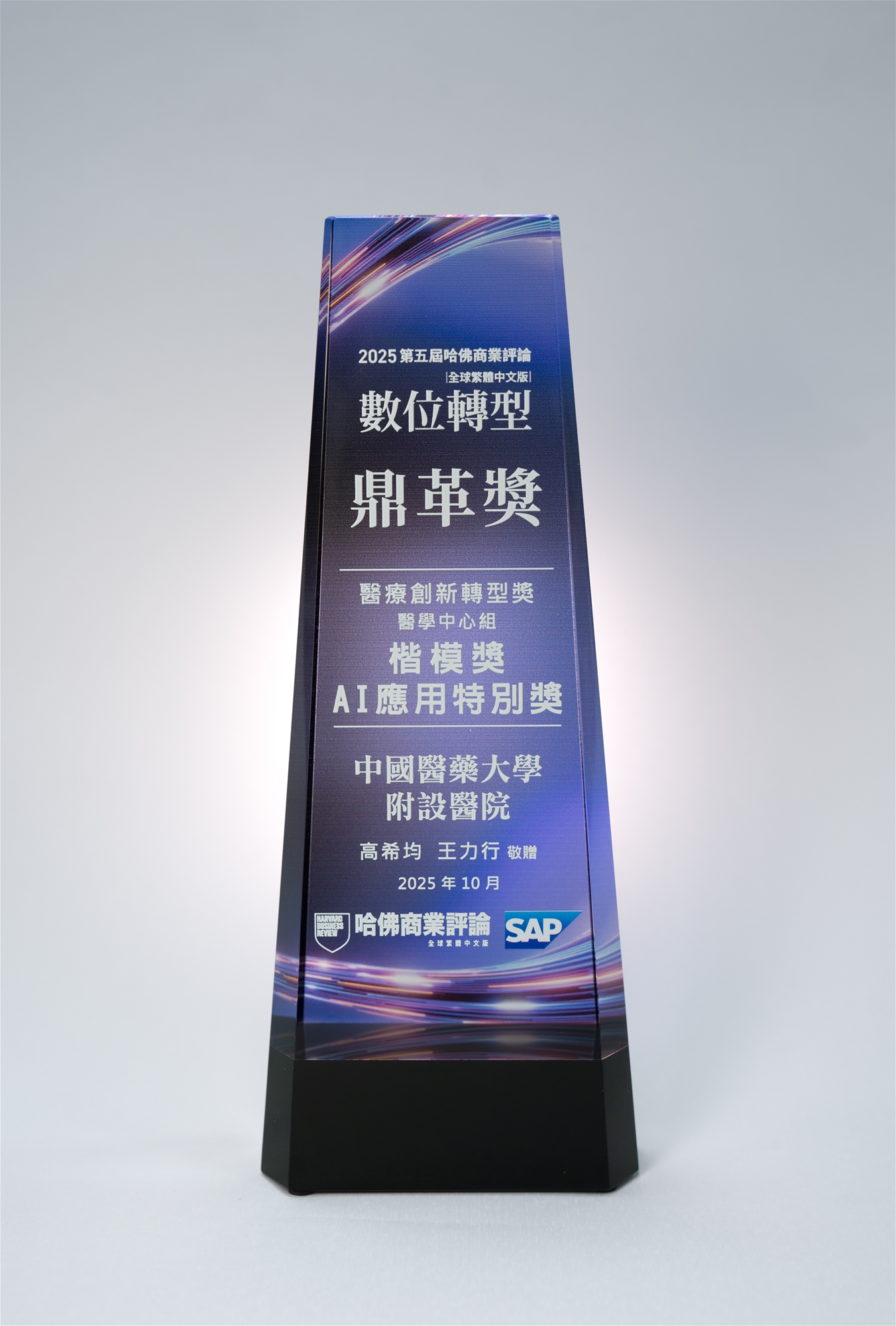
- Digital Transformation Innovation Award, Havard Business Review, Taiwan
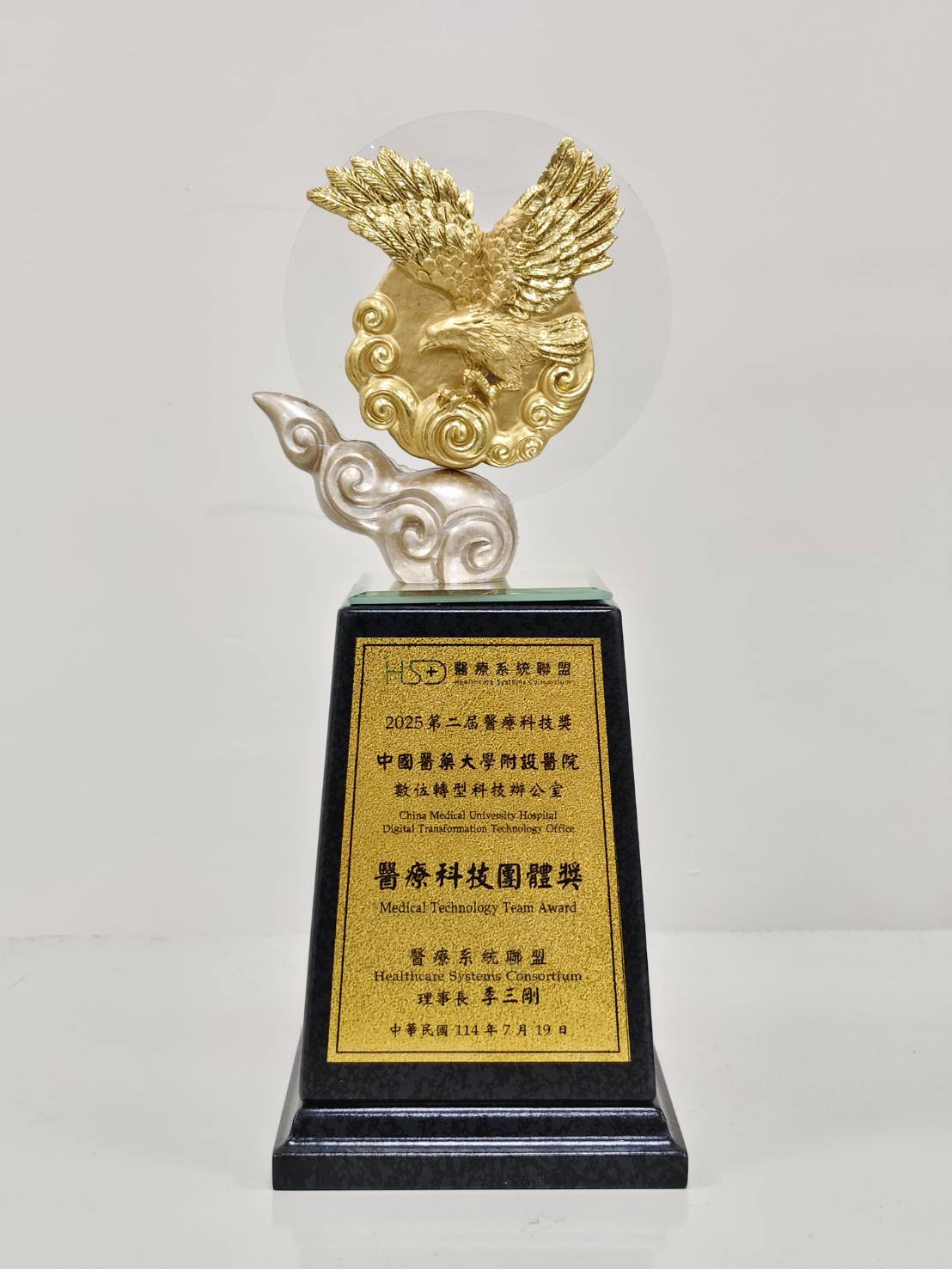
- Technology Award, Healthcare Systems Consortium, Taiwan
2024
- AI Integration Award in Smart Healthcare, The Storm Media, Taiwan
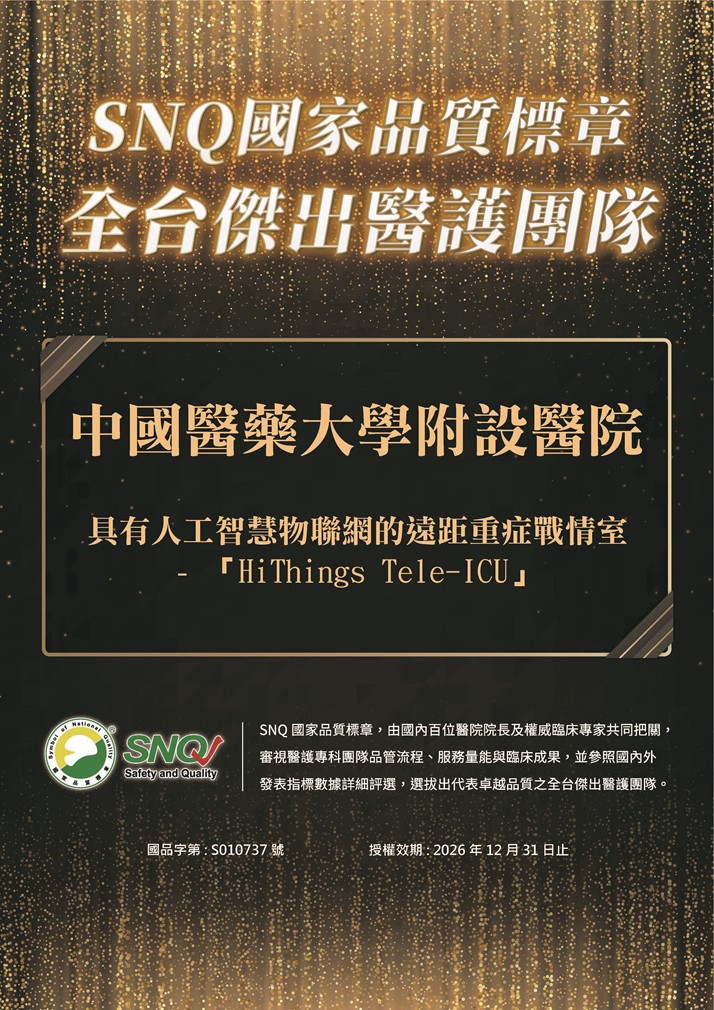
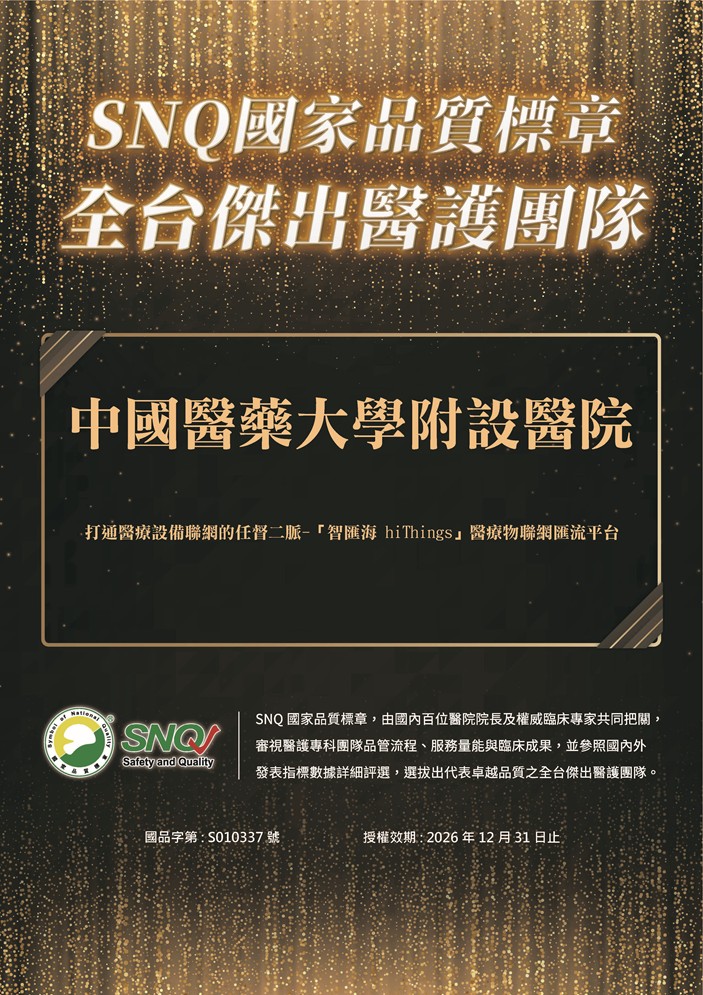
- Symbol of National Quality (SNQ) Mark in HiThings Tele-ICU, 2024-2026, Taiwan
- Symbol of National Quality (SNQ) Mark in HiThings IoT Platform, 2024-2026 Taiwan
Patents
- MEDICAL DATA INTEGRATION AND ANALYSIS SYSTEM, Taiwan
- DESIGN AND IMPLEMENTATION OF AN INTENSIVE CARE UNIT COMMAND CENTER FOR MEDICAL DATA FUSION, USA, Pending
Trademarks
- HiThings, 智匯海, Taiwan
- HiThings, USA, Pending
Monitoring mechanism
- Information Security and Privacy: Complies with standards such as ISO 27701, ISO 27001, ISO 29100, and ISO 29191. Regular system vulnerability scans are conducted. User permissions are reviewed and updated periodically, with usage logged and inappropriate usage flagged with alerts.
- System Performance and Accuracy: Regular performance testing and data validation are carried out to ensure optimal system operation and data integrity.
- Data Governance: Through the Information Management Committee and the Smart Healthcare Committee, system usage is monitored and clinical needs are reviewed
Contact Window
Digital Transformation Technology Office +886-422052121 ext. 12568
dtto-service@tool.caaumed.org.tw
 Facebook
 IG
IG
 YouTube